ColestZen Ingredients: The Complete Formula Guide
All 18 natural ingredients in ColestZen: what each one is, where it comes from, what it has been studied for and how they work together.
ColestZen uses a two-layer formula. The first layer is nine plant extracts with long traditional use, several of them now studied for healthy blood sugar and circulation. The second layer is nine vitamins, minerals and antioxidants that the body uses for heart function, energy and cell protection. This page explains every ingredient, then shows how they work together.
The full ingredient list at a glance
| Ingredient | Type | Key compounds or common forms | Why it's included | Research |
|---|---|---|---|---|
| Cinnamon bark | Botanical | Cinnamaldehyde, Type A procyanidins | Studied for healthy glucose and lipid levels. | Well studied |
| Bitter melon | Botanical | Charantin, Polypeptide-p | Traditional gourd for healthy blood sugar. | Promising |
| Gymnema sylvestre | Botanical | Gymnemic acids, Gurmarin | The "sugar destroyer" herb that curbs sweet cravings. | Promising |
| Banaba leaf | Botanical | Corosolic acid, Lagerstroemin | Rich in corosolic acid for glucose support. | Promising |
| Mulberry fruit | Botanical | Anthocyanins, Vitamin C | Deep-purple berry packed with anthocyanins. | Antioxidant |
| Licorice root | Botanical | Glycyrrhizin, Glabridin | Classic root for digestion and gut comfort. | Traditional |
| Cayenne pepper | Botanical | Capsaicin, Capsanthin | Capsaicin for circulation and metabolism. | Promising |
| Yarrow herb | Botanical | Apigenin and luteolin, Chamazulene | Time-honored herb for digestion and circulation. | Traditional |
| Juniper berry | Botanical | Alpha-pinene, Terpinen-4-ol | Classic berry for natural fluid balance. | Traditional |
| Alpha lipoic acid | Nutrient | R-lipoic acid, Dihydrolipoic acid (DHLA) | Powerful antioxidant for insulin sensitivity. | Well studied |
| L-taurine | Nutrient | Free taurine, Taurine bile salts | Supports healthy blood pressure and lipids. | Well studied |
| Magnesium | Nutrient | Magnesium citrate, Magnesium glycinate | Key mineral for heart rhythm and blood pressure. | Well studied |
| Chromium | Nutrient | Chromium picolinate, Chromium nicotinate | Helps insulin do its job. | Promising |
| Vitamin C | Nutrient | Ascorbic acid, Sodium ascorbate | Antioxidant that supports healthy blood vessels. | Essential nutrient |
| Vitamin E | Nutrient | Alpha-tocopherol, Gamma-tocopherol | Fat-soluble antioxidant that protects cells. | Essential nutrient |
| Biotin | Nutrient | D-biotin, Carboxylase coenzyme | B vitamin that helps turn food into energy. | Essential nutrient |
| Zinc | Nutrient | Zinc gluconate, Zinc citrate | Supports immunity and normal metabolism. | Essential nutrient |
| Manganese | Nutrient | Manganese SOD (MnSOD), Manganese gluconate | Trace mineral for metabolism and antioxidant enzymes. | Essential nutrient |
For vitamins and minerals, the forms listed are common supplement forms. The brand doesn't state which form ColestZen uses.
Ingredients grouped by what they support
Many ingredients do more than one job, so a few appear in more than one group.
Healthy blood sugar
Balanced glucose goes hand in hand with healthy triglyceride and HDL levels.
Heart & circulation
Nutrients for heart rhythm and blood pressure, plus herbs traditionally used for circulation.
Antioxidant protection
Help protect cells and blood vessels from everyday oxidative stress.
Digestion & fluid balance
Traditional herbs long used for digestion, gut comfort and fluid balance.
Layer 1: the 9 botanicals
Plant extracts from Asia, the Americas and Europe. Most have hundreds of years of traditional use, and several now have modern human studies behind them.

Cinnamon bark
Well studiedThe sweet spice studied for healthy blood sugar
One of the best-researched spices for metabolic health. Meta-analyses in adults with type 2 diabetes found improvements in fasting glucose, total cholesterol, LDL and triglycerides.
- Also known as
- Cinnamomum verum, C. cassia, Ceylon cinnamon
- Comes from
- Inner bark of trees from Sri Lanka and China
- Studied for
- Healthy blood sugar levels
- Insulin sensitivity
- Cholesterol and blood fats
- Compounds / forms
- CinnamaldehydeType A procyanidinsPolyphenol antioxidants
- Amounts used in studies
- About 1 to 6 g of powder a day in studies
Good to know: Cassia is high in coumarin; ask a doctor if you take diabetes or liver medicines
Read the full cinnamon bark guide →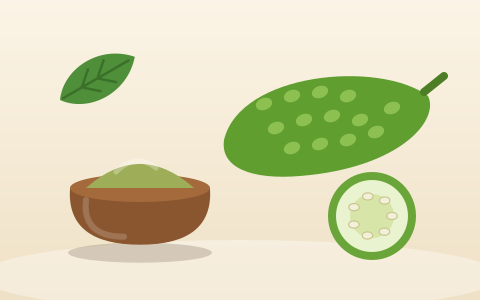
Bitter melon
PromisingThe bitter gourd long used for healthy blood sugar
Used for centuries in Asian and Ayurvedic traditions. Small human trials show support for healthy blood sugar levels.
- Also known as
- Momordica charantia, karela, bitter gourd
- Comes from
- Tropical vine of Asia, Africa and Caribbean
- Studied for
- Healthy blood sugar levels
- Glucose uptake by cells
- Blood fats (early research)
- Compounds / forms
- CharantinPolypeptide-pVicine
- Amounts used in studies
- A few grams of dried fruit powder a day in trials
Good to know: Avoid in pregnancy; ask a doctor if you take diabetes medicine
Read the full bitter melon guide →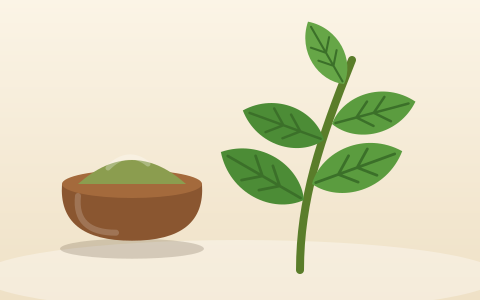
Gymnema sylvestre
PromisingThe sugar destroyer leaf from India's forests
Its Hindi name means "sugar destroyer". It briefly dulls the taste of sweetness, which can help with cravings, and small studies support healthy blood sugar.
- Also known as
- Gurmar, gymnema, meshashringi
- Comes from
- Climbing vine of central and southern India
- Studied for
- Healthy blood sugar levels
- Sweet cravings
- Insulin support (animal studies)
- Compounds / forms
- Gymnemic acidsGurmarinGymnemasaponins
- Amounts used in studies
- A few hundred mg of leaf extract a day in studies
Good to know: May add to diabetes medicines; ask a doctor if pregnant or you have liver disease
Read the full gymnema sylvestre guide →
Banaba leaf
PromisingThe Filipino tea leaf studied for blood sugar
Rich in corosolic acid. Small human studies show support for healthy blood sugar after meals.
- Also known as
- Lagerstroemia speciosa, queen's crape myrtle
- Comes from
- Leaves of a tree native to tropical Asia
- Studied for
- Post-meal blood sugar
- Glucose uptake by cells
- Blood fats in animal studies
- Compounds / forms
- Corosolic acidLagerstroeminGallotannins
- Amounts used in studies
- Tens of mg a day of standardized extract in studies
Good to know: May lower blood sugar. On diabetes medicine? Ask your doctor first.
Read the full banaba leaf guide →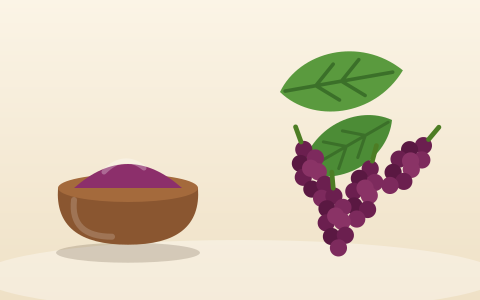
Mulberry fruit
AntioxidantThe purple berry packed with anthocyanins
A deep-purple berry rich in anthocyanin antioxidants, which help protect cells from oxidative stress.
- Also known as
- Morus alba, Morus nigra, white mulberry
- Comes from
- Fruit of mulberry trees from Asia
- Studied for
- Antioxidant support
- Blood fats in animal studies
- Healthy blood vessels
- Compounds / forms
- AnthocyaninsVitamin CDietary fiber
- Amounts used in studies
- No set dose; mostly fruit extracts in lab studies
Good to know: Ripe fruit is a safe food. Mulberry leaf is the part studied for blood sugar.
Read the full mulberry fruit guide →
Licorice root
TraditionalThe sweet ancient root studied for heart health
A classic herbal root used for digestion and soothing the stomach. If you have high blood pressure, check with your doctor first (see our safety tips).
- Also known as
- Glycyrrhiza glabra, sweet root, gan cao
- Comes from
- Root of a plant from Europe and west Asia
- Studied for
- Antioxidant support for LDL
- Digestive comfort
- Blood fats in animal studies
- Compounds / forms
- GlycyrrhizinGlabridinLiquiritigenin
- Amounts used in studies
- Varies widely; agencies advise modest glycyrrhizin
Good to know: Large amounts can raise blood pressure and lower potassium. Ask your doctor.
Read the full licorice root guide →
Cayenne pepper
PromisingThe hot red spice studied for metabolism
Its active compound, capsaicin, has been studied for healthy circulation, metabolism and appetite control.
- Also known as
- Capsicum annuum, ground red pepper
- Comes from
- Dried chili pods first grown in the Americas
- Studied for
- Energy use and appetite
- Healthy circulation
- Blood sugar after meals
- Compounds / forms
- CapsaicinCapsanthinBeta carotene
- Amounts used in studies
- About 1 g ground pepper with a meal in many studies
Good to know: Can cause heartburn. Ask a doctor if you take blood thinners.
Read the full cayenne pepper guide →
Yarrow herb
TraditionalThe ancient meadow herb named after Achilles
A time-honored European herb traditionally used to support digestion and healthy circulation.
- Also known as
- Achillea millefolium, milfoil, woundwort
- Comes from
- Flowering tops of a wild meadow plant
- Studied for
- Appetite and digestion
- Antioxidant activity
- Metabolic health (early research)
- Compounds / forms
- Apigenin and luteolinChamazuleneSesquiterpene lactones
- Amounts used in studies
- Traditionally 1 to 2 tsp dried herb as tea
Good to know: Avoid in pregnancy or with ragweed allergy. Ask a doctor if on medication.
Read the full yarrow herb guide →
Juniper berry
TraditionalThe piney berry used for digestion for centuries
Traditionally used to support healthy fluid balance and digestion.
- Also known as
- Juniperus communis, common juniper
- Comes from
- Seed cones of an evergreen conifer shrub
- Studied for
- Digestion
- Healthy fluid balance
- Antioxidant activity
- Compounds / forms
- Alpha-pineneTerpinen-4-olFlavonoids
- Amounts used in studies
- Small amounts of dried berry, short courses only
Good to know: Avoid in pregnancy or kidney disease. Ask a doctor if on diabetes meds.
Read the full juniper berry guide →Layer 2: the 9 vitamins and minerals
Essential nutrients and antioxidants. Many adults don't get enough of some of them, magnesium in particular, from food alone.
Alpha lipoic acid
Well studiedThe antioxidant your cells make and recycle
A powerful antioxidant your body also makes on its own. Studies support healthy insulin sensitivity and show favorable effects on some lipid markers.
- Also known as
- ALA, lipoic acid, thioctic acid
- Comes from
- Made in the body, found in spinach and liver
- Studied for
- Blood sugar and insulin response
- Nerve comfort in diabetes
- Antioxidant defense
- Compounds / forms
- R-lipoic acidDihydrolipoic acid (DHLA)S-lipoic acid
- Amounts used in studies
- Usually 300 to 600 mg a day in studies
Good to know: May lower blood sugar. Ask a doctor if you take diabetes or thyroid medicine.
Read the full alpha lipoic acid guide →
L-taurine
Well studiedThe amino acid your heart muscle stores the most
An amino acid concentrated in the heart. Meta-analyses link it with improvements in blood pressure and some lipid markers.
- Also known as
- Taurine, 2-aminoethanesulfonic acid
- Comes from
- Made in the liver, found in seafood and meat
- Studied for
- Healthy blood pressure
- Heart muscle function
- Bile acids and cholesterol
- Compounds / forms
- Free taurineTaurine bile saltsSulfonic acid group
- Amounts used in studies
- Usually 1 to 3 g a day in studies, up to 6 g
Good to know: Usually well tolerated. Ask a doctor if you take blood pressure medicine.
Read the full L-taurine guide →
Magnesium
Well studiedThe mineral behind more than 300 enzyme systems
Involved in more than 300 processes in the body, including heart rhythm. Linked to healthy blood pressure, especially in people who don't get enough.
- Also known as
- Mg, magnesium citrate, oxide, glycinate
- Comes from
- Seeds, nuts, beans, greens and whole grains
- Studied for
- Healthy blood pressure
- Blood sugar and insulin action
- Normal heart rhythm
- Compounds / forms
- Magnesium citrateMagnesium glycinateMagnesium oxide
- Amounts used in studies
- RDA is 310 to 420 mg a day for adults
Good to know: Supplements over 350 mg a day may cause diarrhea. Kidney disease? Ask a doctor first.
Read the full magnesium guide →
Chromium
PromisingThe trace mineral that helps insulin do its job
A trace mineral that helps insulin work. Some studies show support for healthy blood sugar control.
- Also known as
- Trivalent chromium, chromium picolinate
- Comes from
- Mineral found in soil, grains and vegetables
- Studied for
- Healthy blood sugar levels
- Insulin sensitivity
- Cholesterol and triglycerides
- Compounds / forms
- Chromium picolinateChromium nicotinateChromium chloride
- Amounts used in studies
- 200 to 1,000 mcg a day in clinical studies
Good to know: Ask your doctor first if you take diabetes or thyroid medication
Read the full chromium guide →
Vitamin C
Essential nutrientThe antioxidant your blood vessels rely on
A key antioxidant the body needs to build collagen, which keeps blood vessel walls healthy.
- Also known as
- Ascorbic acid, ascorbate, L-ascorbic acid
- Comes from
- Citrus, peppers, berries and leafy greens
- Studied for
- Blood vessel health
- Antioxidant protection
- Cholesterol and blood sugar
- Compounds / forms
- Ascorbic acidSodium ascorbateCalcium ascorbate
- Amounts used in studies
- Often 500 to 1,000 mg a day in research
Good to know: Stay under 2,000 mg a day; ask a doctor if you have kidney stones or iron overload
Read the full Vitamin C guide →
Vitamin E
Essential nutrientThe antioxidant that guards your cells and LDL
A fat-soluble antioxidant that helps protect cell membranes from oxidative damage.
- Also known as
- Alpha-tocopherol, tocopherols, tocotrienols
- Comes from
- Nuts, seeds and plant oils
- Studied for
- Antioxidant protection
- LDL oxidation
- Immune function
- Compounds / forms
- Alpha-tocopherolGamma-tocopherolTocotrienols
- Amounts used in studies
- Often 400 IU a day in large clinical trials
Good to know: May add to the effect of blood thinners; ask your doctor first
Read the full Vitamin E guide →
Biotin
Essential nutrientThe B vitamin that helps turn food into fuel
Vitamin B7 helps the body turn fats, carbs and protein into energy. Tell your doctor you take it before any blood test (see our safety tips).
- Also known as
- Vitamin B7, vitamin H
- Comes from
- Eggs, liver, salmon, seeds, sweet potato
- Studied for
- Glucose metabolism
- Healthy blood fats
- Hair and nail health
- Compounds / forms
- D-biotinCarboxylase coenzymeWater-soluble B vitamin
- Amounts used in studies
- AI 30 mcg a day; studies used several mg a day
Good to know: High doses can skew some lab tests. Tell your doctor before blood work.
Read the full biotin guide →
Zinc
Essential nutrientThe trace mineral behind immunity and insulin
An essential mineral for immune health and hundreds of enzymes involved in normal metabolism.
- Also known as
- Zn, zinc gluconate, zinc citrate
- Comes from
- Oysters, beef, crab, seeds and legumes
- Studied for
- Immune function
- Healthy blood sugar levels
- Antioxidant defense
- Compounds / forms
- Zinc gluconateZinc citrateZinc picolinate
- Amounts used in studies
- RDA 8 to 11 mg a day; upper limit 40 mg a day
Good to know: Over 40 mg a day long term can lower copper. Space it from some antibiotics.
Read the full zinc guide →
Manganese
Essential nutrientThe trace mineral behind your cells' antioxidant shield
A trace mineral the body uses for metabolism and for its own antioxidant enzymes.
- Also known as
- Mn, manganese gluconate, manganese citrate
- Comes from
- Whole grains, nuts, mussels, tea, greens
- Studied for
- Glucose metabolism
- Antioxidant enzyme support
- Bone and cartilage health
- Compounds / forms
- Manganese SOD (MnSOD)Manganese gluconateManganese bisglycinate
- Amounts used in studies
- AI 1.8 to 2.3 mg a day; upper limit 11 mg a day
Good to know: Stay under 11 mg a day. Ask a doctor if you have liver disease or low iron.
Read the full manganese guide →How the ingredients work together
Healthy blood sugar balance
Cinnamon, gymnema, banaba, bitter melon, chromium and alpha lipoic acid support healthy glucose levels, which are closely tied to healthy triglycerides and HDL.
6 ingredientsHeart & circulation nutrients
Taurine and magnesium support healthy blood pressure and heart rhythm, while cayenne and yarrow have long been used for circulation.
4 ingredientsAntioxidant protection
Alpha lipoic acid, vitamins C and E and mulberry help protect cells and blood vessels from everyday oxidative stress.
4 ingredientsHow to get the most from the formula
- Be consistent. Take 2 capsules every day with water, ideally with a meal and at the same time each day.
- Give it time. The brand recommends 3 to 6 months of daily use.
- Pair it with good habits. Fiber from oats and beans, regular walks and fewer fried foods support the same goals.
- Track your numbers. A lipid panel before you start and after about 8 weeks shows your progress.
- Keep your doctor in the loop, especially if you take medication.
Ingredient questions
How many ingredients are in ColestZen?
ColestZen has 18 ingredients: 9 botanicals (cinnamon bark, bitter melon, gymnema sylvestre, banaba leaf, mulberry fruit, licorice root, cayenne pepper, yarrow herb and juniper berry) and 9 vitamins and minerals (alpha lipoic acid, L-taurine, magnesium, chromium, vitamin C, vitamin E, biotin, zinc and manganese).
Does ColestZen contain stimulants?
According to the brand, ColestZen is stimulant-free. None of the 18 listed ingredients is a stimulant like caffeine.
How much of each ingredient is in a capsule?
The official sales page lists the ingredients but not the amount of each one. Check the Supplement Facts label on your bottle, and show it to your doctor or pharmacist if you take any medication.
Which ingredients should I ask my doctor about?
Ask first if you take diabetes medication (several ingredients support healthy blood sugar), have high blood pressure (licorice root), take blood thinners (vitamin E), have a blood test coming up (biotin), or are pregnant, nursing or have kidney disease (juniper and licorice).
Why does a heart formula include blood sugar ingredients?
Blood sugar and blood fats are closely linked. When the body manages glucose well, triglycerides and HDL cholesterol tend to stay in a healthier range, so ColestZen supports both.
How should I take ColestZen?
Take 2 capsules a day with a glass of water, ideally with a meal. The brand recommends daily use for 3 to 6 months for best results.
Research and sources
- CinnamonAllen RW, et al. Cinnamon use in type 2 diabetes: an updated systematic review and meta-analysis. Ann Fam Med. 2013 PMID 24019277
Pooled trials in people with type 2 diabetes and found lower fasting glucose and improvements in total cholesterol, LDL, HDL and triglycerides. - GymnemaZamani M, et al. The effects of Gymnema sylvestre supplementation on lipid profile, glycemic control, blood pressure, and anthropometric indices in adults. Phytother Res. 2023 PMID 36580574
Systematic review and meta-analysis of gymnema trials on blood sugar and blood fat markers. - ChromiumSuksomboon N, et al. Systematic review and meta-analysis of the efficacy and safety of chromium supplementation in diabetes. J Clin Pharm Ther. 2014 PMID 24635480
Reviewed chromium trials in people with diabetes, including effects on glucose control and safety. - Alpha lipoic acidAkbari M, et al. The effects of alpha-lipoic acid supplementation on glucose control and lipid profiles among patients with metabolic diseases. Metabolism. 2018 PMID 29990473
Meta-analysis of randomized trials on alpha lipoic acid, glucose control and lipid profiles. - L-taurineSun Q, et al. Taurine supplementation lowers blood pressure and improves vascular function in prehypertension. Hypertension. 2016 PMID 26781281
Randomized, double-blind, placebo-controlled study of taurine in adults with prehypertension. - L-taurineTzang CC, et al. Taurine reduces the risk for metabolic syndrome: a systematic review and meta-analysis of randomized controlled trials. Nutr Diabetes. 2024 PMID 38755142
Meta-analysis of taurine trials on metabolic markers such as blood pressure, glucose and triglycerides. - MagnesiumZhang X, et al. Effects of magnesium supplementation on blood pressure: a meta-analysis of randomized double-blind placebo-controlled trials. Hypertension. 2016 PMID 27402922
Found small reductions in blood pressure with magnesium supplementation.
- NIH Office of Dietary Supplements fact sheets: Chromium, Magnesium, Vitamin C, Vitamin E, Biotin, Zinc, Manganese (ods.od.nih.gov)
- NCCIH: Cinnamon, Licorice Root, Bitter Melon (nccih.nih.gov)
- MedlinePlus herbs and supplements (medlineplus.gov)
- FDA safety communication on biotin and lab tests (fda.gov)